Building Vibe Draw: combining ElevenLabs with FLUX Kontext for voice-powered image creation
- Written by
- Ryan Morrison
- Published
- Last updated
ListenListen to this article
Voice interfaces are changing how we communicate with AI. What if creating an image was as easy as describing it out loud?
That’s the idea that led to me creating Vibe Draw as a weekend project. It is a voice-first creative tool that pairs ElevenLabs’ Voice AI with Black Forest Labs’ FLUX Kontext to turn spoken prompts into images.
FLUX Kontext represents a new class of image model. Unlike traditional text-to-image systems, Kontext handles both generation and editing. It can create new images from prompts, modify existing ones, and even merge multiple reference images into a single output.
While models like GPT-4o and Gemini 2 Flash offer multimodal capabilities, FLUX Kontext is purpose-built for high-quality visual manipulation. In testing, I could change individual letters in stylized text or reposition an object — just by describing the change.
That’s when I thought: “Why not do this with voice?” And what better foundation than ElevenLabs’ powerful voice technology?
.webp&w=3840&q=95)
The technical challenge
Building a voice-driven image system required solving five key problems:
- Natural language understanding — Differentiating between new creation and edits
- Contextual awareness — Maintaining continuity across interactions
- Audio management — Avoiding overlapping responses and managing queues
- Visual generation — Seamless transitions between generation and editing
- User experience — Making advanced AI interactions feel intuitive
Architecture overview
Vibe Draw runs entirely client-side and integrates the following components:
- Web Speech API for speech recognition
- ElevenLabs TTS API for voice responses
- FLUX Kontext API for image generation and editing
- Custom intent detection for understanding user input
This approach keeps the prototype lightweight, but production deployments should proxy requests server-side for security.
Implementing Voice with ElevenLabs
Vibe Draw uses ElevenLabs’ text-to-speech API, tuned for conversational responsiveness:
To create variety, voice responses are randomly selected from pre-defined templates:
Managing audio playback
Overlapping voice responses break the illusion of conversation. Vibe Draw solves this with an audio queue system:
Each message plays fully before triggering the next.
Intent detection and context management
The system uses keyword and context detection to decide whether a user prompt is a new image request or an edit:
This approach ensures edits are only applied when there's an existing image and context makes it clear.
Image generation with FLUX Kontext
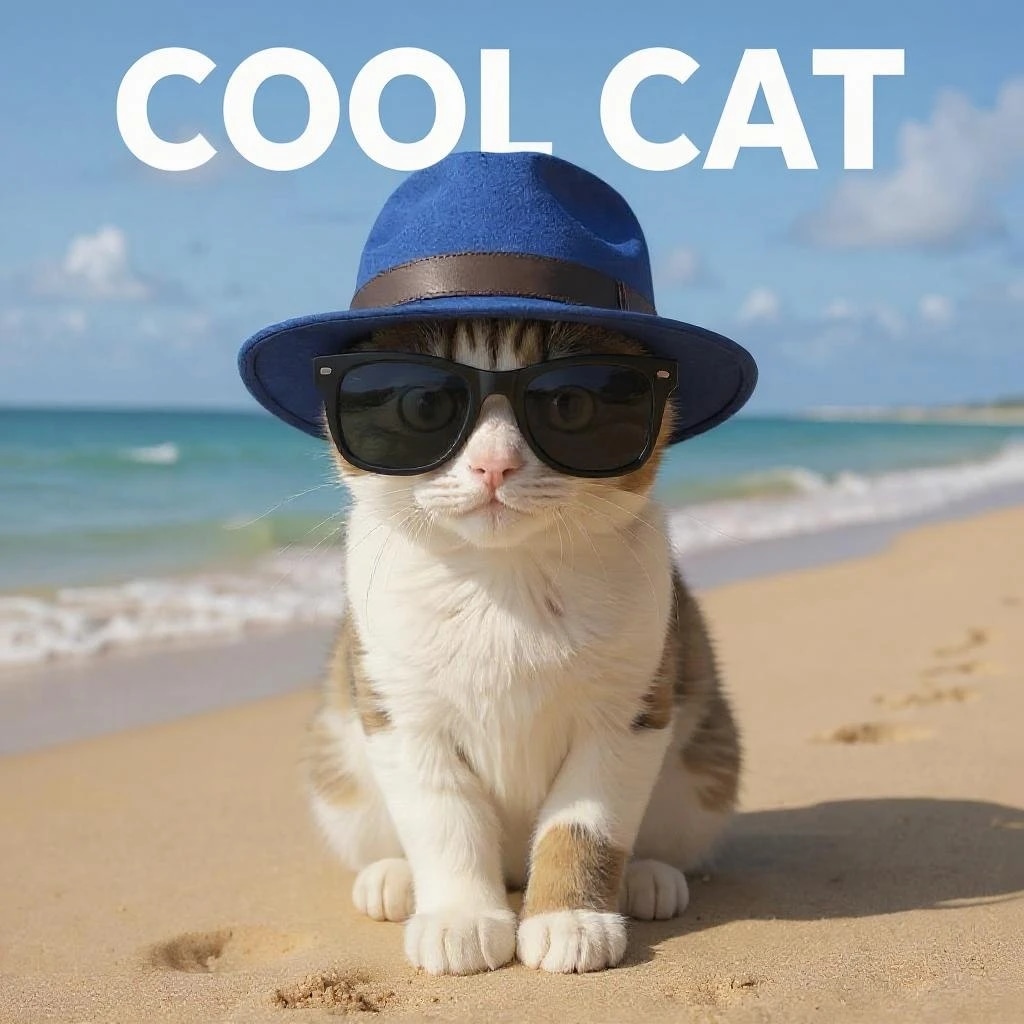
Kontext supports two modes: generation and editing.
Generation (text to image)
Editing (contextual transformation)
Handling complex transformations
Some prompts imply changes that exceed the editing API’s limits. When detected, the system offers a fallback:
Optimizing the experience
Progressive feedback
UI feedback helps users track the system’s state:
Intelligent timing
Natural conversation requires natural timing:
Session state
To preserve context, session data is stored:
Performance considerations
To ensure responsiveness:
- Lazy loading — Only initialize APIs when needed
- Debouncing — Limit API requests per interaction
- Error handling — Recover gracefully from timeouts or failures
- Resource cleanup — Dispose of audio objects and event listeners properly
What’s next
Conversational UIs open the door to new capabilities:
- Multi-modal input — “Make it look more like this photo.”
- Collaborative sessions — Multiple users contributing to a single design
- Style memory — System learns your aesthetic over time
- Real-time streaming — Stream image updates as the user speaks and integrate Conversational AI to allow for streamed speech.
Key takeaways
Building Vibe Draw revealed several core principles for voice-first tools:
- Context is everything — Tracking state makes interactions feel coherent
- Timing adds personality — Pacing responses makes AI feel responsive
- Fallbacks maintain momentum — When generation fails, offer alternatives
- Variety keeps it fresh — Repeating the same phrase breaks immersion
Conclusion
Vibe Draw shows what happens when conversational voice AI meets visual creativity. ElevenLabs’ natural speech synthesis and FLUX Kontext’s image APIs combine to create a new way to make—no clicks, no sliders—just speech.
When creating is as easy as describing, we remove the barriers between imagination and execution.
Try it yourself
The complete source code is available on GitHub. To run your own version:
- Clone the repository
- Add your ElevenLabs API key
- Add your FAL.ai API key
- Open vibe-draw-v2.html in a modern browser
- Click the microphone and start creating
Interested in building your own voice-first experience? Explore ElevenLabs Conversational AI or contact us.